
Design is a language
It needs syntax, structure and rules

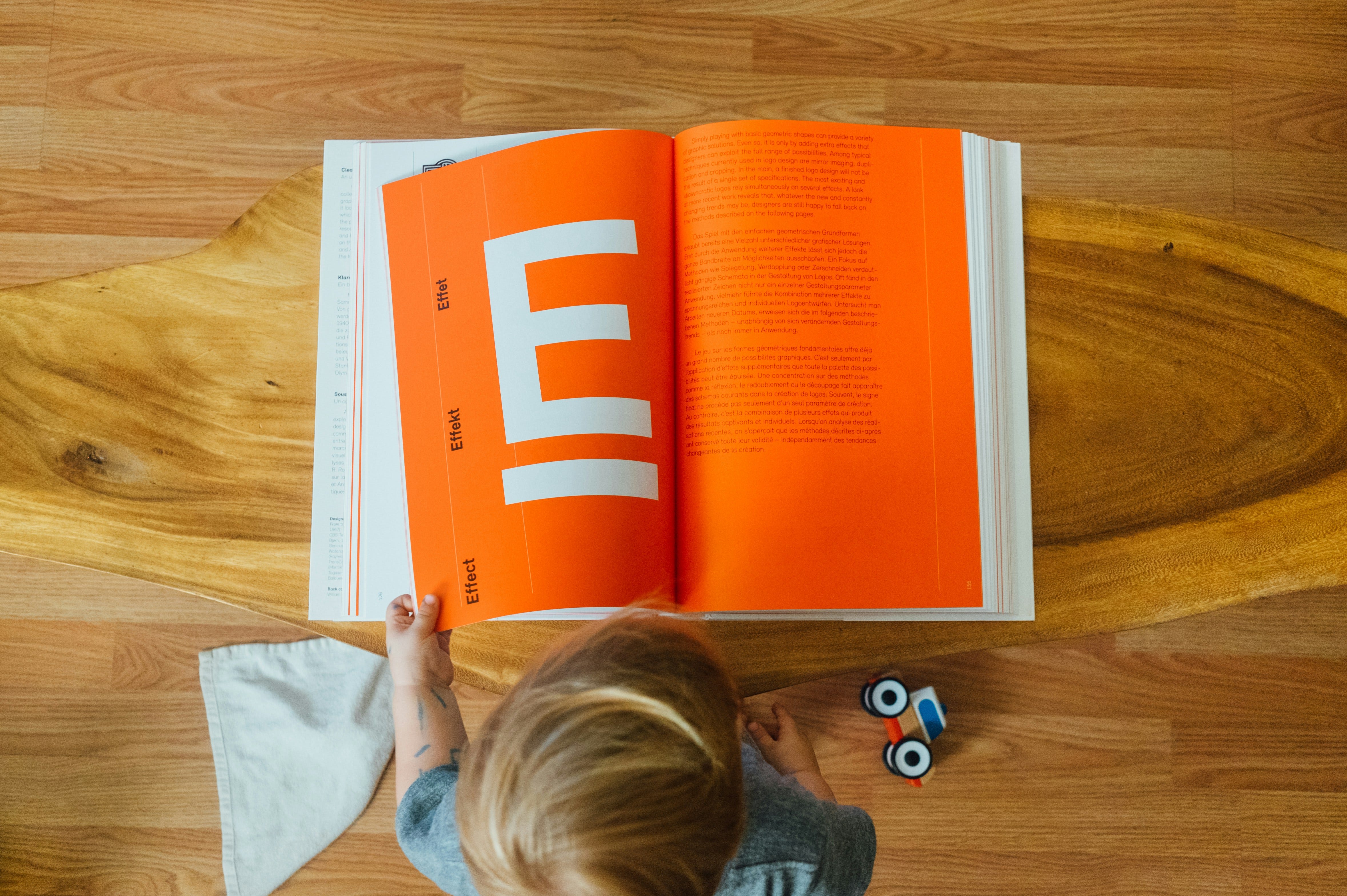
Every written language has started the same way: as symbols and pictures. Markings on walls, papyrus, or clay tablets that conveyed meaning and context visually.
These visual designs are considered a language. Pictures that form meaning and require deciphering and cognitive understanding.
Modern design, be it analog or digital, has a linguistic character because it uses visual elements, such as color, shape, typography, layout and imagery, to communicate ideas and messages, much like verbal language relies on words and grammar to convey meaning.
These design elements serve as “vocabulary”, “syntax and “grammar”, allowing designers to encode information that viewers decode, interpret and understand.
What else makes design a language?
Design is a system of signs
Visual design functions as a system of communication, where each visual element acts as a sign with a specific meaning and intent. For example, the universal recycling symbol instantly communicates a message about sustainability without using words, transcending language barriers. The strategic use of color, layout and imagery conveys emotional tones, guides user attention and reinforces cultural norms or challenges perceptions.
Design has structure and syntax
Visual design adheres to principles and rules (grammar and syntax) that ensure clarity and ease of comprehension. Designers combine visual “atoms” (color, shape, type) into more complex “molecules” (buttons, forms), mirroring the way phonemes combine into words and sentences. The arrangement and relationship among these elements, through balance, hierarchy and composition, form the “syntax” that guides the viewer in interpreting visual messages. Design elements need systematic organization to communicate effectively, just as words need grammar to make sense.
Design needs contextual meaning
Some visual symbols have near-universal meaning, making visual language effective for international communication. However, interpretation can also depend on cultural context, individual experience and learned associations, as with linguistic nuance in spoken language. Much like written language, visuals need to be localized to reach a global audience and adapt their meaning culturally and conceptually.
Design leans on theoretical foundations
Design theories, such as Gestalt, the Rule of Three or the Golden Ratio, emphasize that individuals organize and interpret visual inputs as unified wholes, while semiotics explores how visual signs acquire meaning. These theories highlight that visual language, like verbal language, relies on both individual elements and the overall context in which they appear to communicate effectively.
Design emphasizes familiarity
Users adapt quickly to new design interfaces because they map new meanings onto familiar structures, requiring minimal cognitive effort, much the same as slang and modernized syntax don’t force us to “relearn” a familiar language.
Design and language evolve
Both undergo constant change primarily at the semantic level through new or altered meanings, helping designers navigate technological transitions and writers adjust their craft and find new connotations.
Bottom line: Visual design is considered a language because it systematically uses visual elements to encode and transmit messages that can be understood, interpreted and responded to. This is very similar to how spoken and written languages function: As systems of human communication and connection.
That’s all for today!